NISAR Mission: The Ultimate Space Partnership Between NASA and ISRO – Everything You Need to Know
Two of the world's most ambitious space agencies joining forces to create a satellite that can peer through clouds, darkness, and vegetation to monitor our...
By Propagation Team on 28/7/2025
- ISRO
- NASA
- NISAR Mission
What Exactly is NISAR?
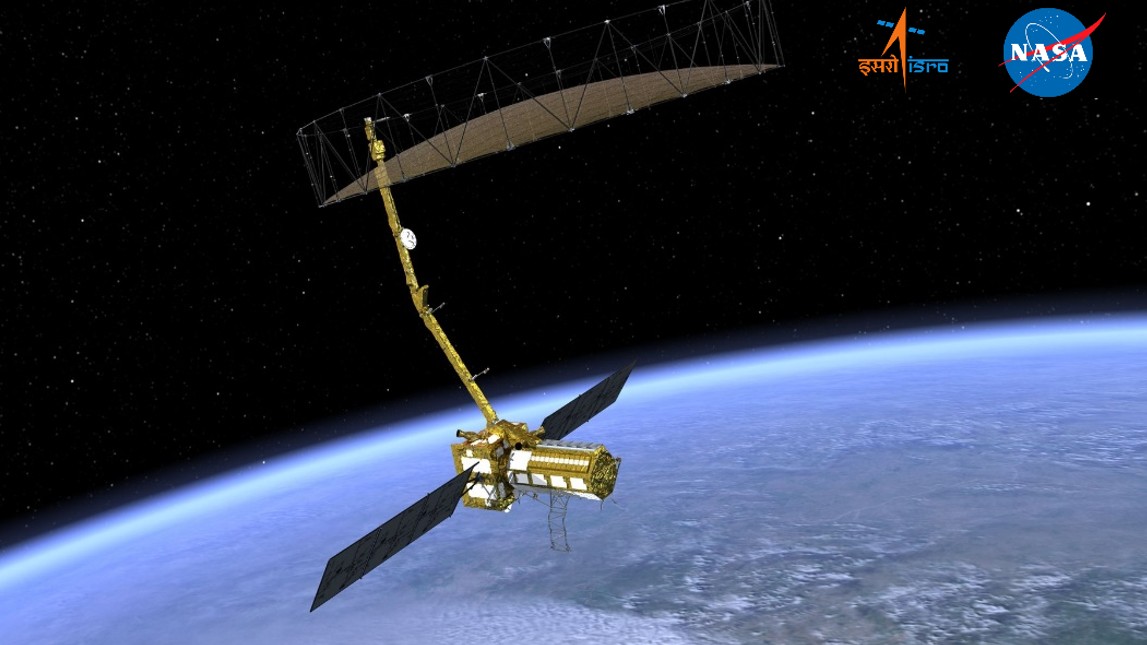
NISAR stands for NASA-ISRO Synthetic Aperture Radar,) and it's not your average Earth observation satellite. Think of it as having X-ray vision for our planet. While regular satellites can only see what's visible on the surface, NISAR uses radar technology to "see" through clouds, forests, and even darkness, providing us with incredibly detailed images of Earth's surface changes.
This groundbreaking mission represents the first-ever joint Earth observation satellite between NASA and the Indian Space Research Organisation (ISRO). More importantly, NISAR is India's first dual-band radar imaging satellite, marking a significant milestone in the country's space technology capabilities.
The Power of International Collaboration
The NASA ISRO SAR mission perfectly showcases what happens when two space superpowers combine their expertise. NASA brings its advanced L-band radar technology to the table, while ISRO contributes the S-band radar system along with the spacecraft bus and launch services. It's like having two master chefs collaborate on the perfect recipe – each brings their specialty ingredients to create something extraordinary.
This partnership, formalized through an agreement signed in 2014, demonstrates how international cooperation can accelerate scientific progress and reduce costs for both nations involved.
Mission Goals: Why NISAR Matters
So, what exactly will this Earth observation satellite do once it's orbiting our planet? The mission goals are incredibly ambitious:
- Climate Change Monitoring: NISAR will track ice sheet movements, glacier changes, and sea level variations with unprecedented precision. Imagine having a time-lapse camera that can show you exactly how glaciers are melting – that's NISAR's power.
- Disaster Management: From earthquakes to landslides, volcanic activity to tsunamis, NISAR will help scientists predict and monitor natural disasters. It's like having an early warning system for the entire planet.
- Ecosystem Tracking: The satellite will monitor vegetation changes, forest cover, and agricultural patterns, helping us understand how our ecosystems are evolving.
- Infrastructure Monitoring: NISAR can detect millimeter-level ground movements, making it invaluable for monitoring urban infrastructure and geological stability.
The Technology Behind the Magic
Here's where things get really exciting. NISAR carries dual-frequency radar systems – NASA's L-band and ISRO's S-band radars. Think of these as two different types of "eyes" that can see different aspects of Earth's surface.
The L-band radar is excellent at penetrating vegetation and monitoring biomass changes, while the S-band radar excels at tracking surface movements and changes. Together, they create a comprehensive picture that no single radar system could achieve alone.
Using Synthetic Aperture Radar (SAR) technology, NISAR will map the entire globe every 12 days, providing consistent, high-resolution data regardless of weather conditions or time of day. It's like having a vigilant guardian watching over our planet 24/7.
Launch Details: When and Where
The NISAR launch date has been a topic of much anticipation. NASA and the Indian Space Research Organisation (ISRO) are looking at a likely launch date in March 2025 for the NISAR satellite. The mission will lift off from the Satish Dhawan Space Centre in Sriharikota, India.
The launch campaign activities for this mission have already commenced at Sriharikota in the first week of April 2025, and the satellite will be carried by GSLV-F16, a variant of the Geosynchronous Satellite Launch Vehicle.
Interestingly, NASA's C-130 took off from Wallops Flight Facility in Virginia to embark on the multi-leg, multi-day journey to India to deliver crucial components, showcasing the truly international nature of this mission.
Expected Impact and Lifespan
Once operational, NISAR will operate for a minimum of three years, though its impact will last much longer. The satellite will scan nearly all of Earth's land and ice surfaces twice every 12 days, generating an unprecedented dataset for the global scientific community.
This treasure trove of data will be freely available to researchers worldwide, potentially revolutionizing our understanding of climate change, natural disasters, and environmental patterns. It's like giving every scientist on Earth a powerful microscope to study our planet's health.
The Future is Collaborative
The NISAR mission represents more than just another satellite launch – it's a testament to what humanity can achieve when we work together. By combining NASA's technological prowess with ISRO's cost-effective engineering and launch capabilities, we're getting a world-class Earth observation system at a fraction of what it would cost either agency to develop alone.
For space enthusiasts and students around the world, missions like NISAR showcase the incredible opportunities that lie ahead in space science and technology. The future belongs to those who dare to dream big and collaborate across borders.
About Propagation: As we witness groundbreaking missions like NISAR reshape our understanding of Earth and space, platforms like Propagation are empowering the next generation of space scientists and technologists. This growing student-led initiative is on a mission to democratize education in Space Science, AI, and Machine Learning through engaging webinars, hands-on workshops, ambassador programs, and industry-level projects.
Whether you're fascinated by radar technology, passionate about climate science, or simply curious about how satellites like NISAR are changing our world, Propagation provides the perfect platform to dive deeper into these exciting fields. Join their community to stay updated on missions like NISAR, connect with like-minded space enthusiasts, and become part of the future of space technology.
The universe is vast, and our curiosity is infinite. Stay curious, keep learning, and who knows? You might be part of the team that designs the next groundbreaking space mission that changes how we see our world.
![NISAR (NASA-ISRO Synthetic Aperture Radar) - eoPortal]()